A Virus That Preys on the Vulnerable
Respiratory Syncytial Virus (RSV) remains one of the most common yet overlooked respiratory infections, impacting mainly the health of infants and older adults worldwide.
Almost every child will encounter RSV within the first two years of life. For most, it causes mild symptoms like a runny nose or cough. However, for others, it leads to severe respiratory tract infections, breathing difficulties, and hospitalisation. It has been found that 80% of the children admitted to the hospital with an RSV infection were babies under six months (Wildenbeest et al., 2022). Globally, RSV accounts for 3.6 million of hospitalisations and 100.000 infants deaths each year, the deaths occur primarily in low-income countries where access to intensive care is limited (World Health Organization: WHO, 2025).
Older adults are also at risk, especially those with chronic conditions like COPD or heart disease (Lassen et al., 2025). While RSV in adults is often mild, it can trigger serious complications, prolonged hospital stays, with mortality rates ranging from 11% to 18% among hospitalised adults aged 65 years and older (Alfano et al., 2024).
Beyond Health Impact: The Cost Burden
RSV is not just a health challenge, it also creates significant costs for different stakeholders. These costs fall into three main categories:
- Patient health: Beyond the immediate illness, severe RSV infections can have lasting consequences. Evidence suggests that after an RSV episode, the risks for developing future health issues, such as asthma and comprised lung function (Malinczak et al., 2024), are higher, adding long-term impact and costs to patient care.
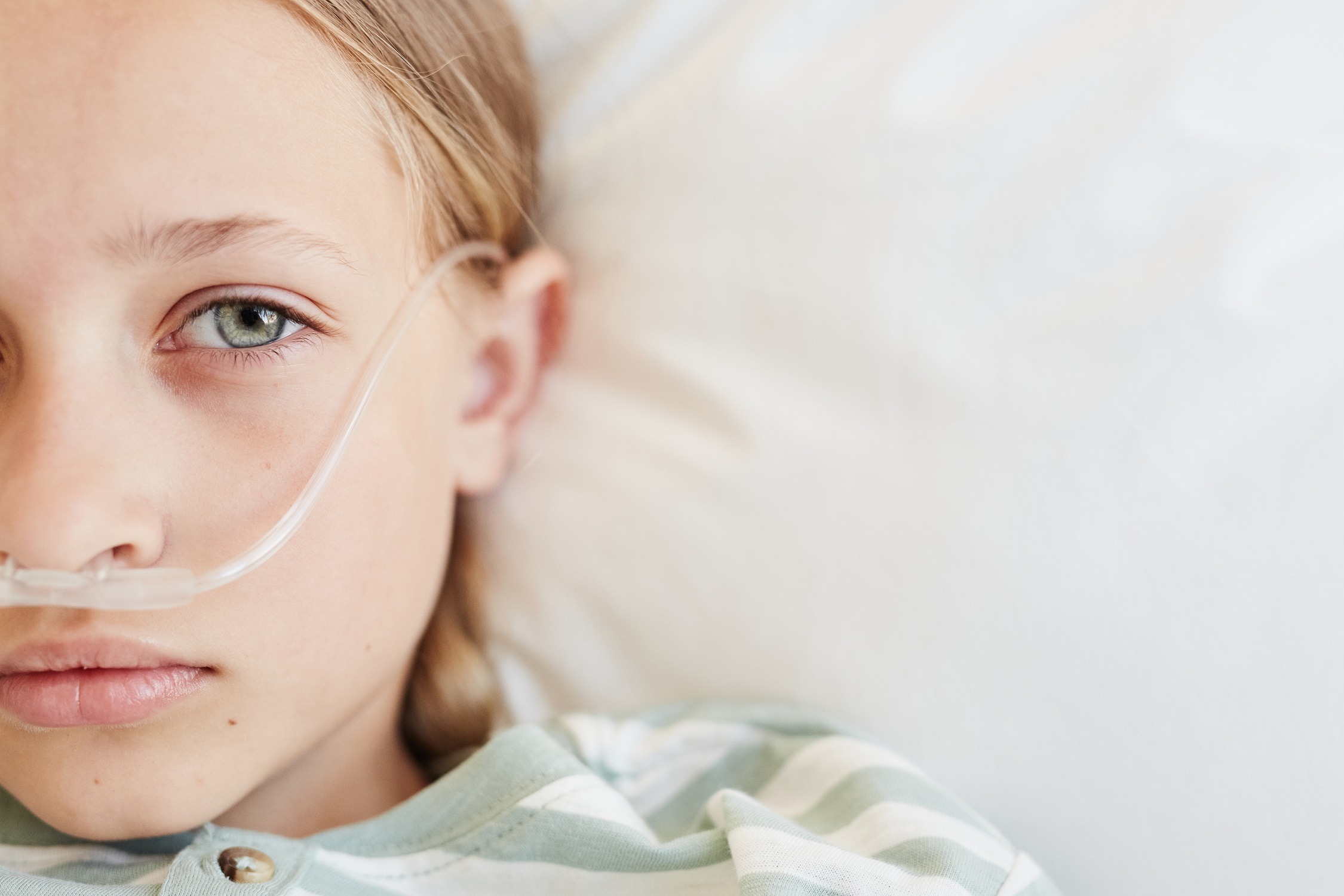
- Treatment costs: RSV is estimated to cost more than €3 billion globally in direct medical expenses, primarily due to hospitalisations and intensive care needs (Herring et al., 2021). Each winter, thousands of infants require oxygen therapy, tube feeding, and, in severe cases, mechanical ventilation in paediatric intensive care units.
- Socio-economic impact: Sick babies have parents that need to take time off work, creating financial strain for families and employers. For older adults, RSV-related complications often lead to extended recovery periods and reduced independence, adding further social and economic burdens.
Immunisation and Its General Efficacy
RSV prevention has only recently become a reality after decades of research setbacks. For years, protection was limited to high-risk infants, but breakthroughs in stabilising the RSV fusion protein led to new vaccines and monoclonal antibodies are now entering national programmes. However, countries have adopted different strategies. The UK, for example, moved quickly with maternal RSV vaccination, while Spain early on opted for monoclonal antibodies against RSV for infants. The Netherlands, on the other hand, implemented the RSV prohylazis not earlier than late 2025.
These differences highlight how national health councils’ timelines are different, weigh disease burden, vaccine price, and societal costs when deciding on immunisation strategies.
The Economics Behind Immunisation
Prevention is not without its costs, both the vaccines themselves and the administration of the vaccines represent an investment, which are similarly as the direct health care costs, mainly covered by our government. This makes cost-effectiveness a critical factor in decision-making.
In practice, cost-effectiveness analysis is rather complex. Health councils use strict thresholds based on Quality-Adjusted Life Years (QALYs), and these thresholds differ by country. A QALY measures the health benefit of an intervention in terms of living longer and healthier. To determine cost-effectiveness, analysts calculate whether the total impact of a vaccine on health outcomes stays below the threshold set. For example, in the Netherlands, the threshold for preventive interventions like vaccines is €20,000 per QALY, while in the UK it ranges from £20,000 (€23,000) to £30,000 (€35,000) per QALY.
However, the process is influenced by more than just numbers. The UK places strong emphasis on economic modelling and often moves faster, while the Netherlands applies stricter criteria and tends to delay implementation, even for vaccines already approved by the EMA. Budgetary constraints, vaccine hesitancy, and misalignment between clinical guidelines and health technology assessments add further complexity.
Closing the Gaps: Why Real-World Evidence Matters
Real-World Evidence (RWE) projects are essential in this process. They provide data on actual outcomes, helping policymakers understand whether immunisation programmes deliver the expected health and economic benefits.
RWE reflects how vaccines perform in everyday settings and helps answer critical questions such as:
- How do different prevention strategies compare across countries?
- What is the true impact on hospitalisation rates and healthcare costs?
- How do seasonal patterns and population demographics influence outcomes?
Without RWE, decisions risk being based on assumptions; with it, governments can make informed choices that balance public health impact with financial sustainability.
Measuring Impact: What We Know and What We Don’t
Researchers, health authorities, and RSV experts have worked to assess the effectiveness and cost-efficiency of RSV preventive measures. For example, the REACH study compared hospitalisation rates before and after prevention programmes in Spain and the UK, showing substantial reductions. Even if the study shows promising results, it is limited by the number of participants. To truly understand the impact of RSV and the effectiveness of prevention strategies, research on a much larger scale is required.
We, like scientists, believe in evidence-based decision-making. That’s why we created the RTI Observatory, a platform that consolidates RWD across respiratory tract infections (RTIs), such as RSV related RTI. By collecting data from multiple hospitals across Europe, it allows for cross-country analysis to reach actionable insights into the impact of the treatment and the prevention of respiratory infections and beyond.
Reference
Alfano, F., Bigoni, T., Caggiano, F. P., & Papi, A. (2024). Respiratory syncytial virus infection in Older adults: an update. Drugs & Aging, 41(6), 487–505. https://doi.org/10.1007/s40266-024-01118-9
Herring, W. L., Zhang, Y., Shinde, V., Stoddard, J., Talbird, S. E., & Rosen, B. (2021). Clinical and economic outcomes associated with respiratory syncytial virus vaccination in older adults in the United States. Vaccine, 40(3), 483–493. https://doi.org/10.1016/j.vaccine.2021.12.002
Lassen, M. C. H., Johansen, N. D., Christensen, S. H., Aliabadi, N., Skaarup, K. G., Modin, D., Claggett, B. L., Larsen, C. S., Larsen, L., Wiese, L., Dalager-Pedersen, M., Lindholm, M. G., Jensen, A. M. R., Dons, M., Bernholm, K. F., Davidovski, F. S., Duus, L. S., Ottosen, C. I., Nielsen, A. B., . . . Biering-Sørensen, T. (2025). RSV prefusion F vaccine for prevention of hospitalization in older adults. New England Journal of Medicine, 394(2), 138–151. https://doi.org/10.1056/nejmoa2509810
Malinczak, C., Fonseca, W., Hrycaj, S. M., Morris, S. B., Rasky, A. J., Yagi, K., Wellik, D. M., Ziegler, S. F., Zemans, R. L., & Lukacs, N. W. (2024). Early-life pulmonary viral infection leads to long-term functional and lower airway structural changes in the lungs. American Journal of Physiology-Lung Cellular and Molecular Physiology, 326(3), L280–L291. https://doi.org/10.1152/ajplung.00300.2023
Wildenbeest, J. G., Billard, M., Zuurbier, R. P., Korsten, K., Langedijk, A. C., Van De Ven, P. M., Snape, M. D., Drysdale, S. B., Pollard, A. J., Robinson, H., Heikkinen, T., Cunningham, S., O’Neill, T., Rizkalla, B., Dacosta-Urbieta, A., Martinón-Torres, F., Van Houten, M. A., Bont, L. J., Wildenbeest, J., . . . Molero, E. (2022). The burden of respiratory syncytial virus in healthy term-born infants in Europe: a prospective birth cohort study. The Lancet Respiratory Medicine, 11(4), 341–353. https://doi.org/10.1016/s2213-2600(22)00414-3
World Health Organization: WHO. (2025, December 19). Respiratory syncytial virus (RSV). https://www.who.int/news-room/fact-sheets/detail/respiratory-syncytial-virus-(rsv)




.jpg)