Join the conversation at ESPID 2026
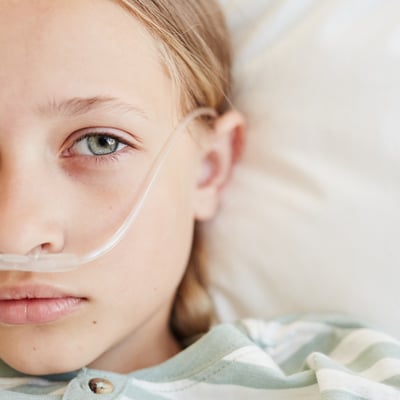
Paediatric infectious diseases, including respiratory tract infections (RTIs), remain a leading cause of illness and mortality in children under the age of five. Understanding how these diseases develop, how symptoms present, and how treatments and immunisation strategies affect children over time is essential to improving prevention and care.
In paediatrics, generating robust evidence is particularly complex. Infants and young children are often underrepresented in clinical trials due to ethical considerations, small patient populations, and strict study designs (Bencheva et al., 2024). As a result, important questions around real‑world effectiveness, long‑term outcomes, and variations in clinical practice often remain unanswered.
The role of real‑world evidence in paediatric RTIs
Real‑world evidence (RWE), derived from routinely collected healthcare data, plays a crucial role in closing these evidence gaps. By analysing real‑world data (RWD) from hospitals, researchers and clinicians can examine how infectious diseases and immunisation therapies perform in everyday clinical practice.
This is especially relevant for paediatric RTIs, where disease burden, treatment response, and outcomes can vary significantly by age group, and care setting. RWE enables insight into patient populations that are difficult to study in trials and helps capture long‑term impacts that extend beyond controlled study environments.
Complementing clinical trials with real‑world insights
Clinical trials remain essential for establishing treatment efficacy. However, when combined with RWE, they provide a more complete and representative evidence base. Together, they support clinicians, researchers, and policymakers in better understanding treatment and immunisation effectiveness, long‑term outcomes, and differences in real‑world practice. This contributes to ultimately improve care for children.
Meet us at ESPID 2026
From 1–5 June 2026, paediatric healthcare professionals from across the world will gather in Bologna, Italy, for the ESPID Conference. The event offers a unique opportunity to exchange knowledge, learn from real‑world clinical practice, and discuss how evidence can be translated into better prevention and care for children with infectious diseases.
Our colleagues Jasper Deuring and Jan van der Eijk will be attending ESPID and joining discussions on paediatric infectious diseases. They will share how the LOGEX Respiratory Tract Infections (RTI) Observatory supports clinicians and hospitals across Europe in answering research questions related to infectious diseases and immunisation therapies in infants and children.
Are you also attending ESPID 2026?
Feel free to reach out to exchange perspectives on paediatric RTIs, RWE, and the future of infectious disease research.
📍 Bologna, Italy
�� 1–5 June 2026
In the meantime, learn more about LOGEX RTI Observatory: https://www.logex.com/respiratory-tract-infectious-disease-observatory